
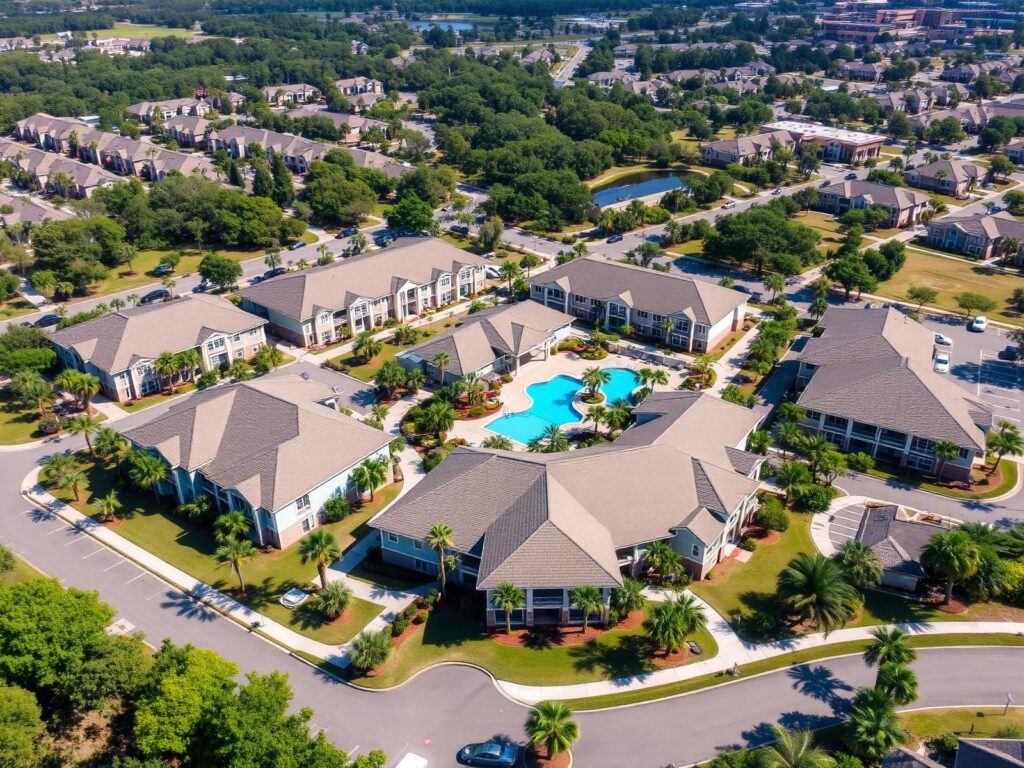
Not every attractive real estate opportunity begins with a newly constructed building.
Many apartment communities are fundamentally sound but have been affected by outdated interiors, deferred maintenance, inefficient operations, inconsistent management, or expenses that have not been carefully reviewed.
Value-add multifamily investing focuses on identifying these properties and implementing a practical business plan designed to improve performance over time.
What Does “Value-Add” Mean?
A value-add property is generally an existing apartment community with identifiable opportunities for improvement.
The property may already generate rental income, but its current financial performance or physical condition may not reflect its full potential. The investment strategy involves acquiring the property, making targeted improvements, strengthening operations, and stabilizing the community.
These improvements may increase resident satisfaction, reduce avoidable expenses, support occupancy, and strengthen the property’s net operating income.
Four Common Areas of Value Creation
1. Interior Improvements
Apartment interiors can become dated over time, even when the property remains structurally sound.
Depending on the market and the condition of the units, improvements may include:
- Updated flooring
- Modern lighting and fixtures
- Refreshed kitchens
- Improved bathrooms
- New appliances
- Interior painting
- Energy-efficient features
The goal is not necessarily to create luxury apartments. In workforce housing, improvements should be practical, durable, and appropriate for the residents and surrounding market.
Over-improving a property can be just as problematic as under-improving it. Renovation decisions should be supported by comparable properties, resident demand, realistic rental premiums, and a clear understanding of project costs.
2. Exterior and Community Improvements
The resident experience begins before someone enters an apartment.
Exterior improvements may include better landscaping, updated signage, improved lighting, refreshed common areas, parking-lot repairs, security enhancements, or upgraded community amenities.
These improvements can help create a more welcoming environment while addressing maintenance issues that may otherwise become more expensive over time.
3. Operational Improvements
Some of the most meaningful changes may not be immediately visible.
Operational improvements can include:
- Reviewing vendor contracts
- Improving maintenance procedures
- Strengthening leasing processes
- Reducing unnecessary expenses
- Managing utilities more effectively
- Improving rent collection systems
- Introducing professional reporting
- Monitoring property performance more consistently
Small improvements across several expense categories can collectively have a meaningful effect on the property’s financial performance.
4. Resident Experience
Residents are not simply a line item on a financial statement. They are the people who make an apartment community a community.
Responsive maintenance, reliable communication, clean common areas, consistent management, and respectful service may improve satisfaction and encourage residents to remain at the property longer.
Reducing unnecessary turnover can benefit both residents and investors. Every vacancy may involve lost rent, marketing expenses, administrative work, cleaning, repairs, and preparation for the next resident.
A value-add strategy should therefore balance financial performance with the creation of a stable and well-maintained living environment.
How Improvements May Affect Property Value
Multifamily properties are commonly evaluated according to the income they generate.
One important measurement is net operating income, or NOI. In simplified terms, NOI represents the property’s revenue after normal operating expenses but before debt payments and certain other costs.
An investment team may attempt to increase NOI by responsibly growing revenue, controlling expenses, or combining both approaches.
For example, NOI may improve when a property:
- Maintains stronger occupancy
- Reduces resident turnover
- Introduces appropriate rental increases
- Recovers permitted utility expenses
- Renegotiates vendor agreements
- Reduces avoidable maintenance costs
- Improves collections
Because income contributes to a multifamily property’s valuation, sustainable NOI growth may help increase the value of the asset.
However, projected improvements do not always materialize. Renovations may cost more than expected, rents may grow more slowly, vacancies may increase, or operating expenses may rise. This is why conservative assumptions and careful due diligence are essential.
Value-Add Is Not the Same as Flipping
A value-add multifamily investment is typically a multi-year operating strategy rather than a quick cosmetic renovation followed by an immediate sale.
The investment team may need time to renovate units as they become available, improve property operations, stabilize occupancy, evaluate results, and determine the most appropriate long-term exit.
Depending on the business plan and market conditions, the eventual exit could include a sale or refinancing. Investors should understand that timelines can change and capital may remain invested longer than originally anticipated.
Evaluating a Value-Add Opportunity
Before investing, prospective investors should consider several questions:
Is There a Clearly Defined Business Plan?
The sponsor should be able to explain what is being improved, why the improvements are needed, how much they are expected to cost, and how they may affect performance.
Are the Renovation Assumptions Supported?
Projected rent increases should be evaluated against comparable properties in the local market rather than based solely on optimistic expectations.
Is There Adequate Contingency Funding?
Renovations and repairs frequently uncover unexpected issues. A responsible budget should include appropriate reserves and contingencies.
Is the Financing Appropriate?
High leverage may increase projected returns, but it can also increase risk. Investors should understand the debt terms, interest-rate exposure, maturity date, and refinancing assumptions.
Does the Team Have an Execution Plan?
An attractive spreadsheet does not renovate apartments, manage contractors, retain residents, or control costs. Investors should evaluate how the sponsor and its operating partners intend to execute the strategy.
Blum Pulido Capital Group’s Approach
Blum Pulido Capital Group focuses on multifamily properties where targeted physical improvements, stronger operations, conservative financing, and an enhanced resident experience may create long-term value.
Our approach is discipline-bound. We evaluate opportunities against a defined acquisition strategy and seek properties where the business plan is supported by the asset, the submarket, and realistic operating assumptions.
The objective is not to pursue every available property. It is to identify opportunities where thoughtful execution may benefit investors while improving the quality and stability of the community.
Call to action: Join our Investor List to receive multifamily investment insights and information about future opportunities from Blum Pulido Capital Group.
This material is provided for educational purposes only and should not be considered investment, legal, or tax advice. All investments involve risk, including the possible loss of principal. Investment opportunities are offered only through the applicable offering documents.